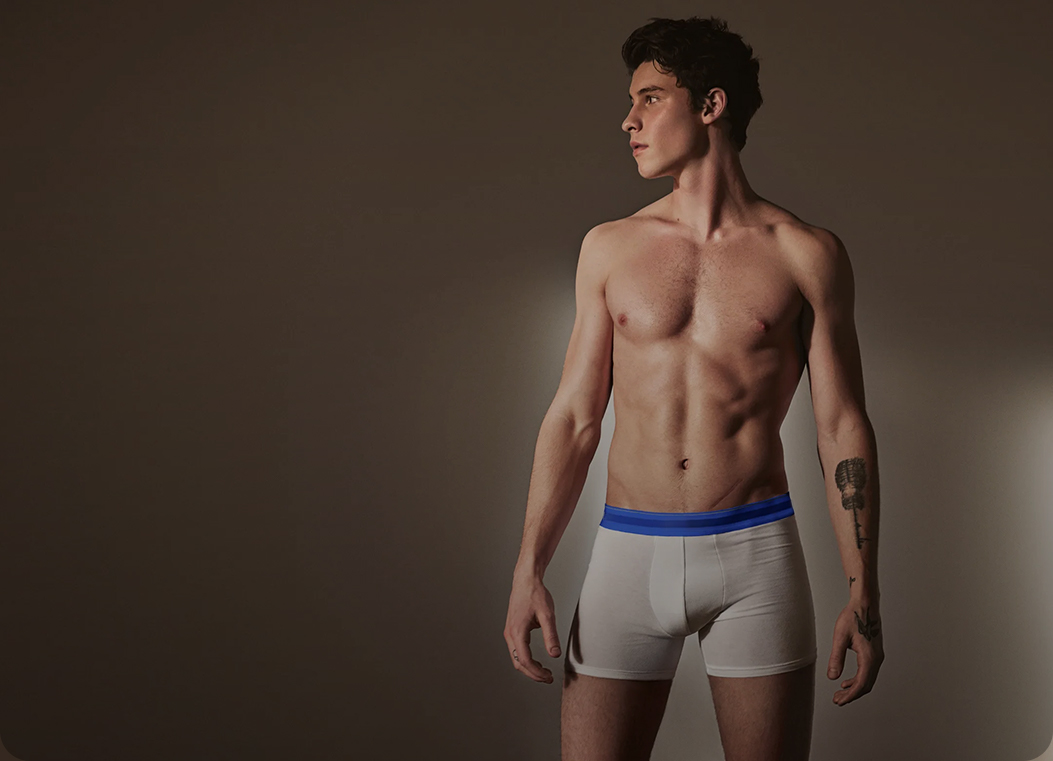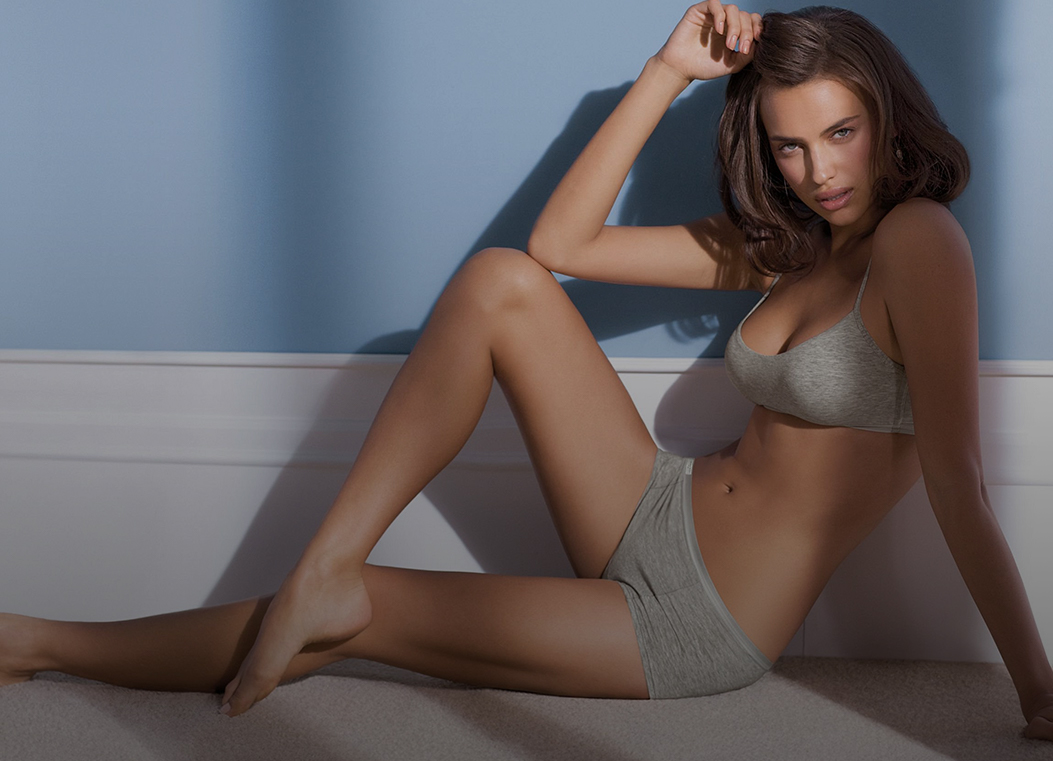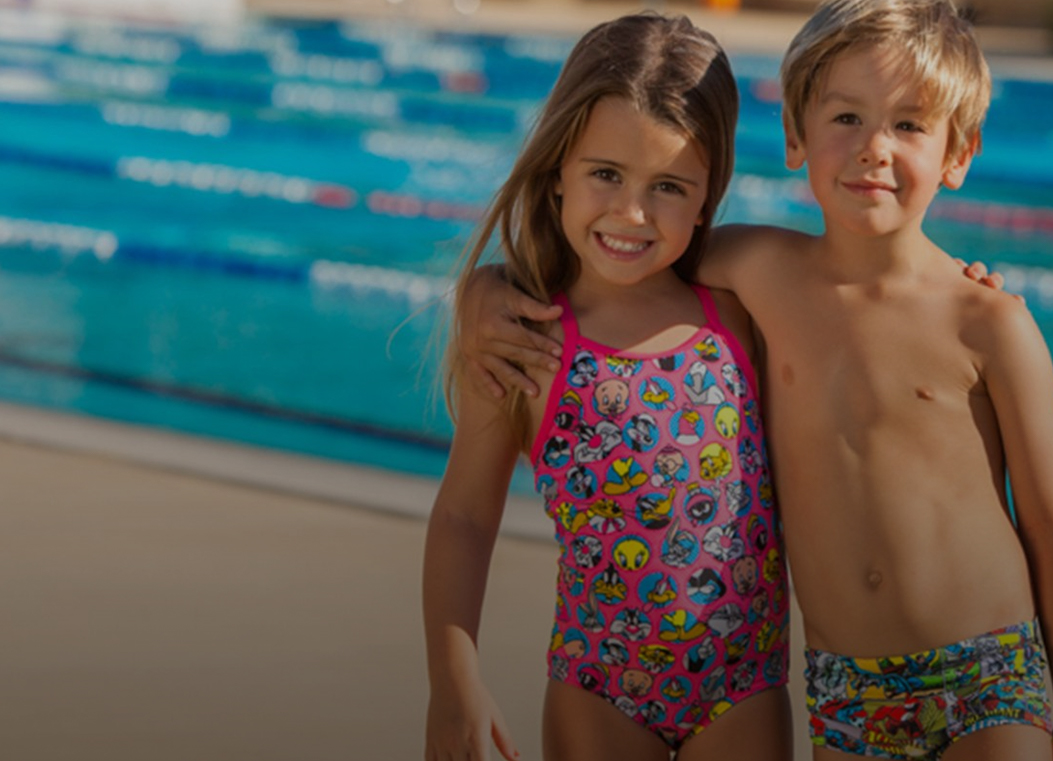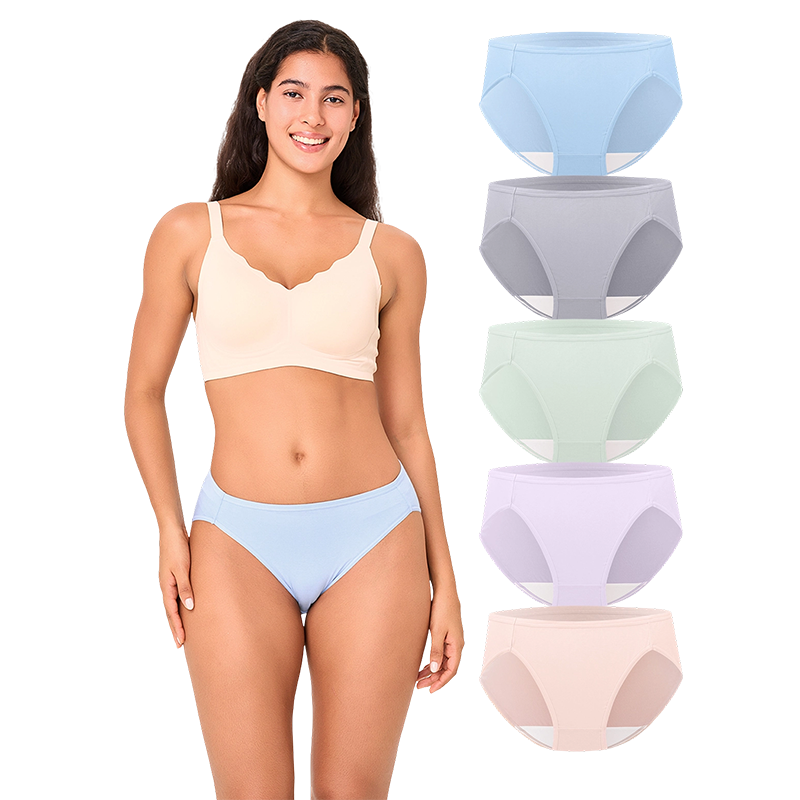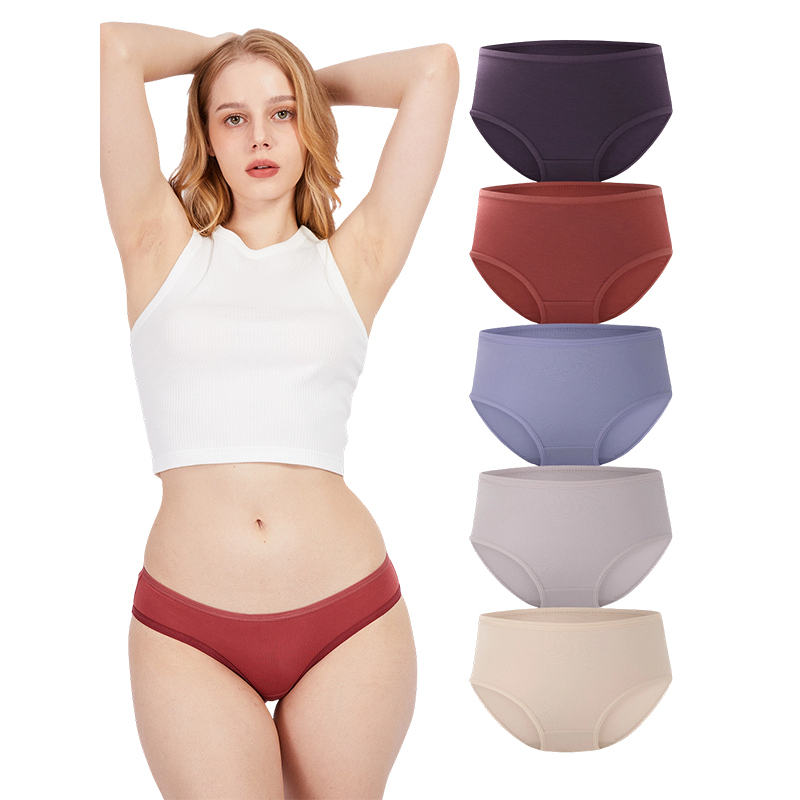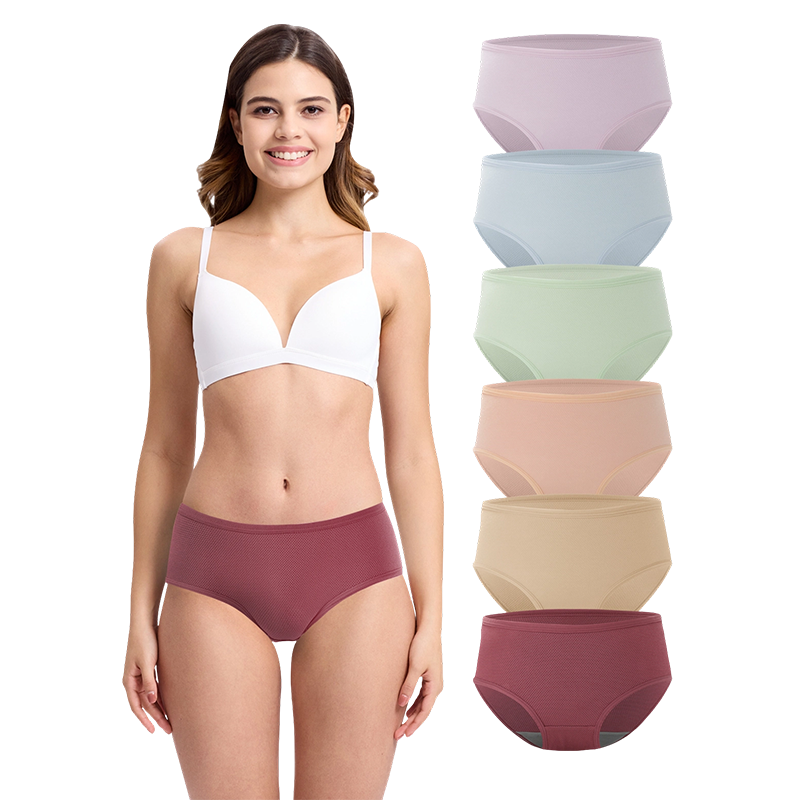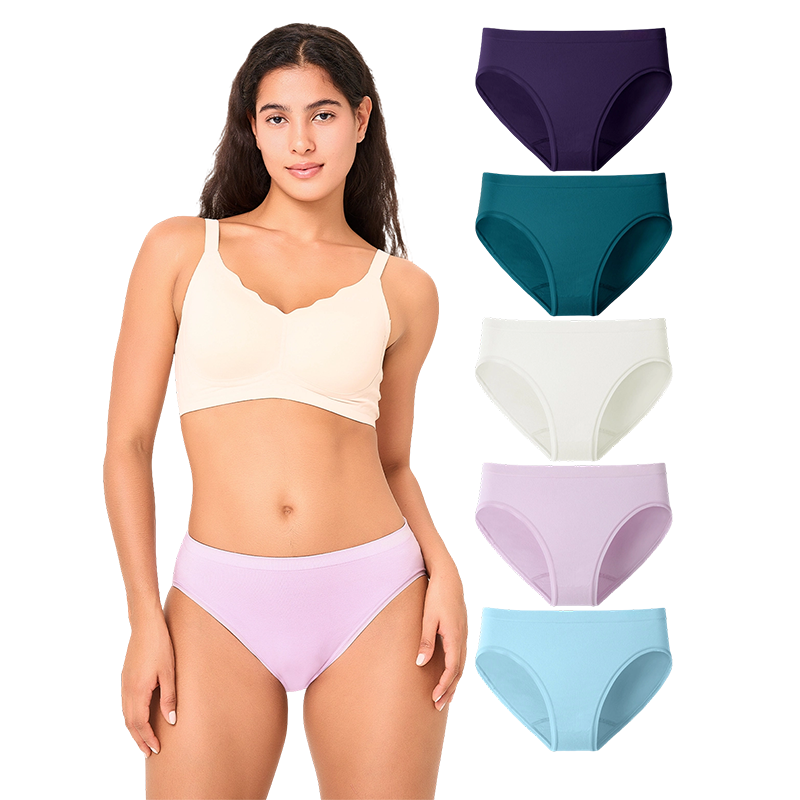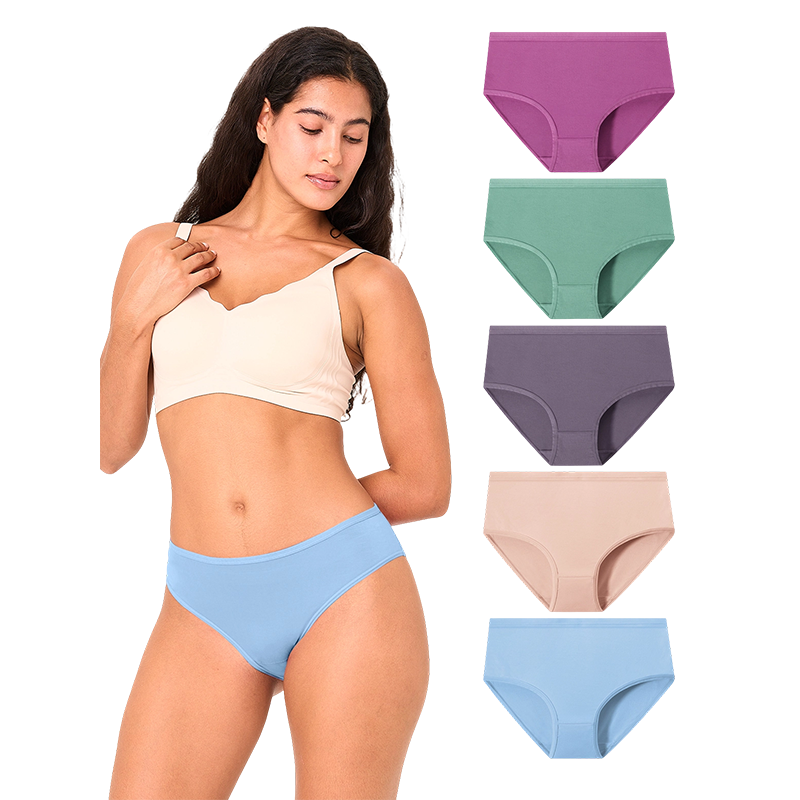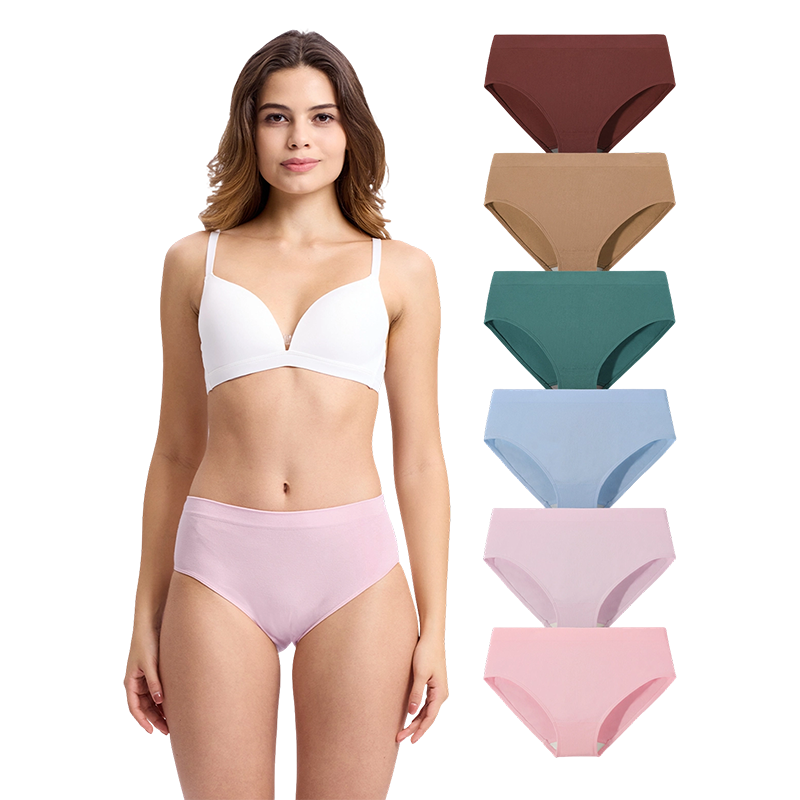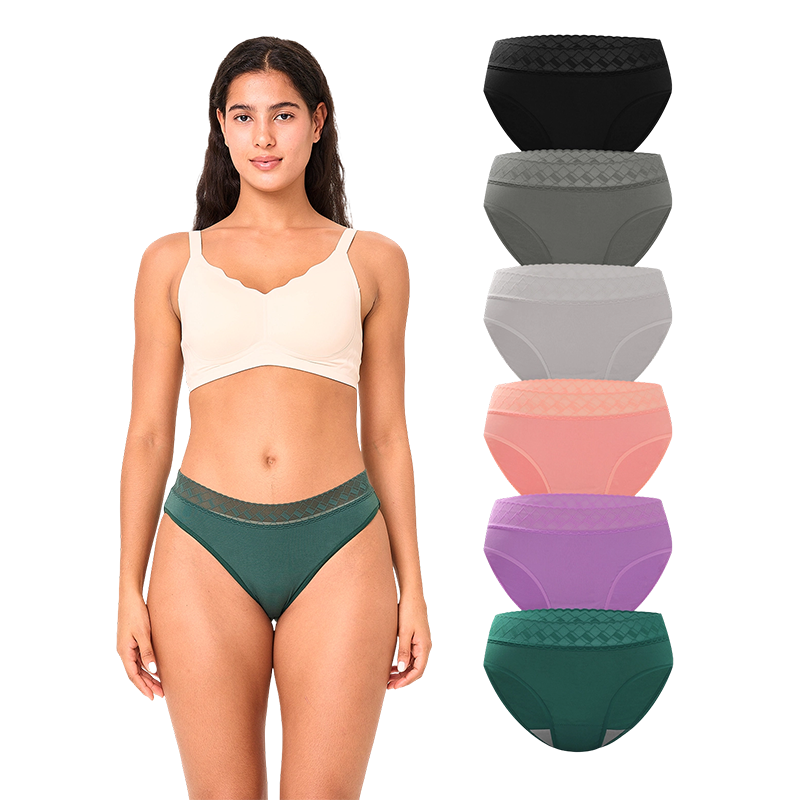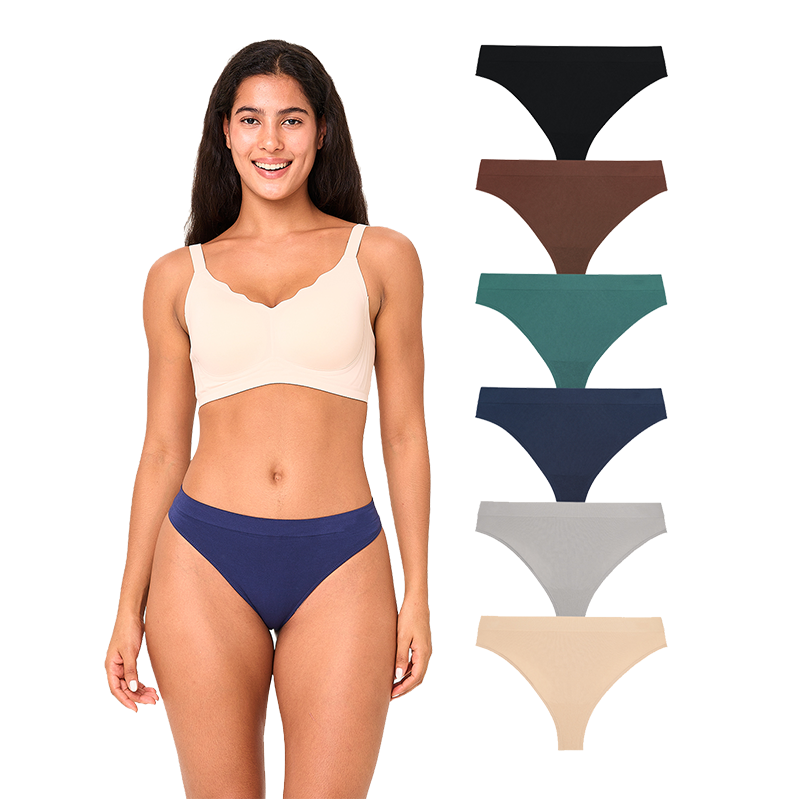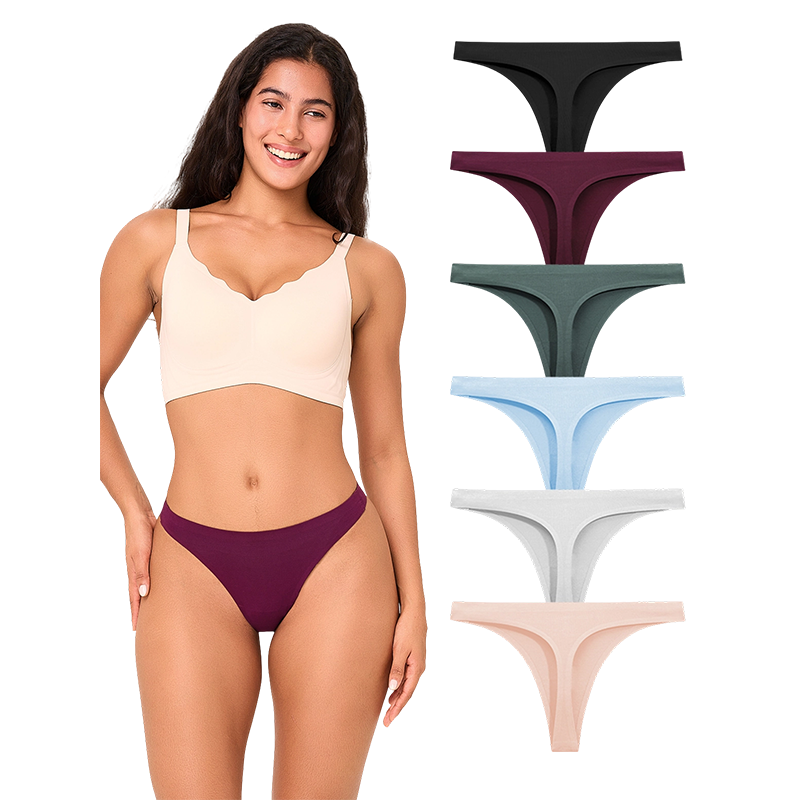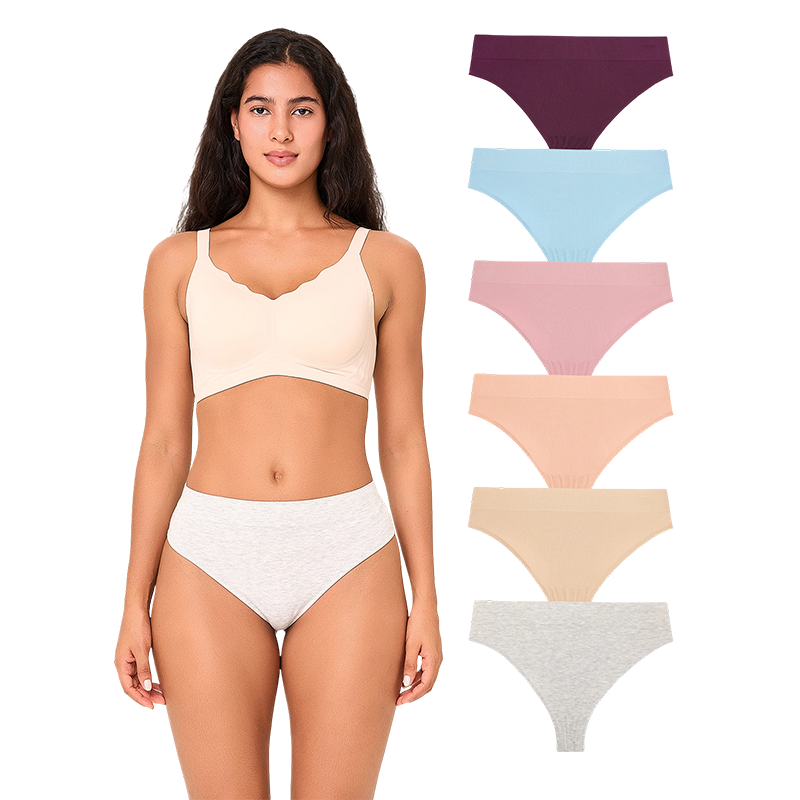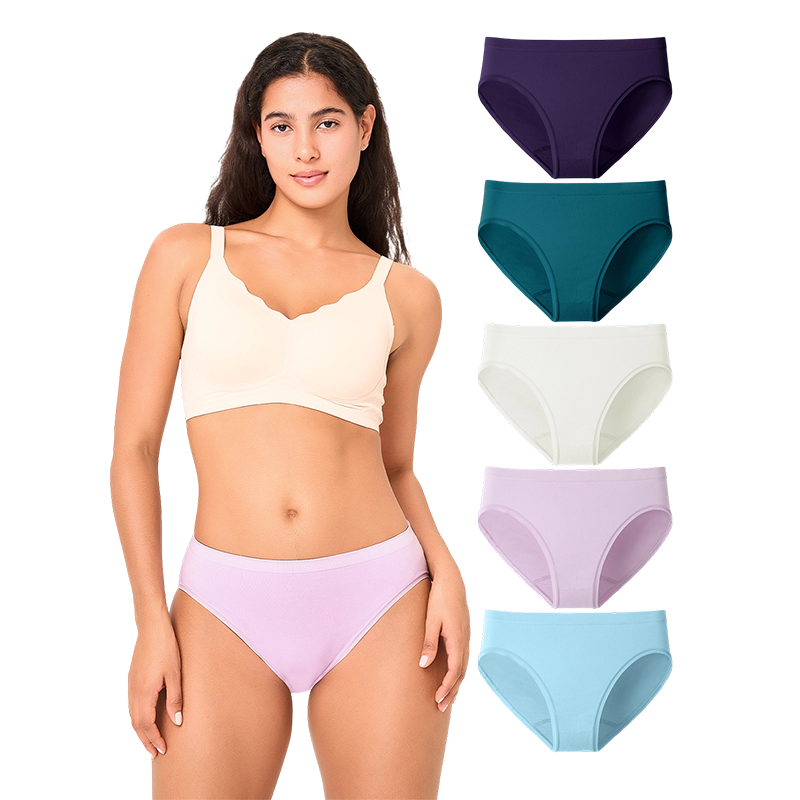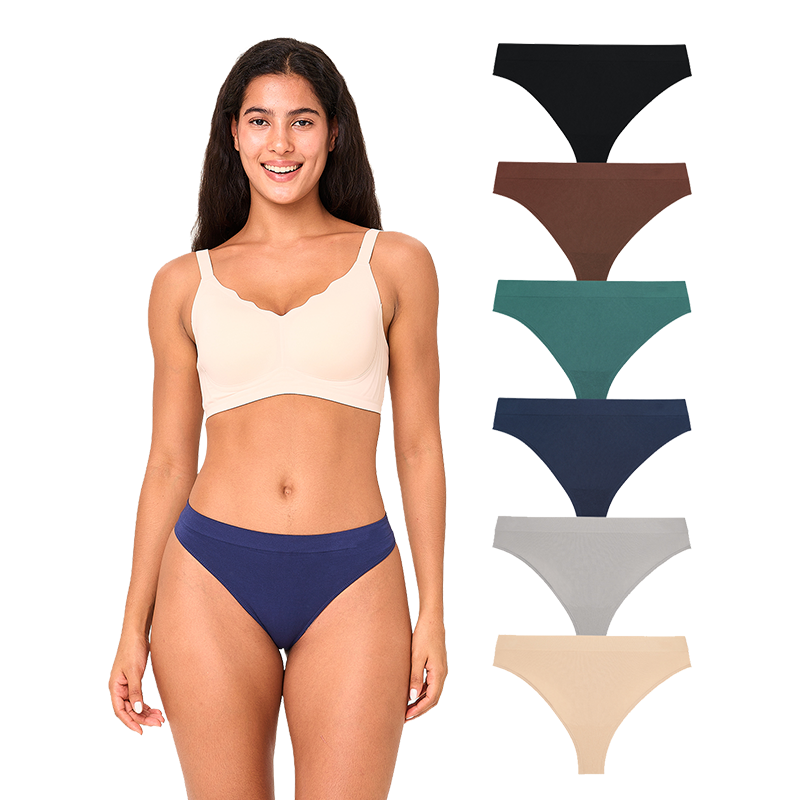
هیچ پارچه ای وجود ندارد که از نظر عینی برای هر جفت بهترین باشد شورت دخترانه . انتخاب صحیح بستگی به نحوه پوشیدن لباس، حساسیت پوست کودک و نحوه شستشو و مراقبت از آن دارد. به طور کلی، ویسکوز بامبو یا پنبه بامبو با درصد کمی از اسپندکس مخلوط می شود برای نرمی، تنفس و کشش روزانه امتیاز خوبی کسب می کند، در حالی که پنبه 100 درصد ارگانیک گزینه محافظه کارانه تری برای پوست های بسیار حساس یا واکنش پذیر است. بقیه این راهنما هر گزینه پارچه رایج را با جزئیات مقایسه می کند تا بتوانید گزینه مناسب را با مورد خاص خود مطابقت دهید.
شورت دخترانه در بیشتر روز بیداری مستقیماً روی برخی از حساس ترین پوست بدن کودک قرار می گیرد، بنابراین پارچه پشت طرح بسیار مهمتر از چاپ یا رنگ است. پوست کودکان نازک تر از پوست بزرگسالان است، دارای یک سد محافظ کمتر توسعه یافته است و به اصطکاک، رطوبت محبوس شده و درزهای ناهموار سریعتر واکنش نشان می دهد. پارچه ای که برای بزرگسالان کاملاً راحت باشد، همچنان می تواند در یک روز مدرسه باعث قرمزی یا تحریک کودک خردسال شود.
سطح فعالیت دومین عامل مهم است. دخترانی که در محدوده سنی معمولی شلوارک میپوشند، میدوند، کوهنوردی میکنند، ورزش میکنند و در روزهای طولانی مدرسه مینشینند بدون اینکه زیاد فکر کنند که زیر لباسهایشان چه میگذرد. این بدان معناست که پارچه باید عرق را به سرعت از پوست دور کند، با سرعت معقولی خشک شود و شکل خود را با کشش های مکرر به جای افتادگی یا بالا رفتن حفظ کند.
در نهایت، این واقعیت عملی وجود دارد که این لباس ها چند بار شسته می شوند. شورتهای مخصوص کودکان معمولاً بیشتر از هر لباس دیگری در خانه، اغلب در دمای بالاتر با مواد شوینده قویتر از لباسهای شسته میشوند. پارچه ای که پس از چند ده شستشو قرص می شود، نازک می شود یا خاصیت ارتجاعی خود را از دست می دهد، به طور مداوم نیاز به تعویض دارد، که هم بر راحتی و هم بر هزینه خانواده یا برند فروشنده محصول تأثیر می گذارد.
قبل از مقایسه الیاف خاص، به درک این نکته کمک می کند که کدام ویژگی ها باعث راحتی و دوام در این دسته می شوند. پنج ویژگی زیر آنهایی هستند که در ارزیابی پارچه برای شورت دخترانه بیشترین اهمیت را دارند و پایه و اساس مقایسههای بعدی در این راهنما را تشکیل میدهند.
اکثر شورت های دخترانه موجود در بازار امروزه از یکی از چهار دسته پارچه ساخته می شوند: پنبه، ویسکوز بامبو، مخلوط مودال یا بامبو-پنبه، و ترکیب پنبه-اسپندکس. هر کدام دارای مشخصات متمایز در پنج ویژگی بالا هستند، و هر کدام برای یک مورد استفاده کمی متفاوت مناسب است. رتبه بندی های زیر به جای هر محصول خاص، ویژگی های عمومی فیبر را نشان می دهد.
پنبه is the fabric most parents and buyers already trust for لباس زیر بچه گانه ، و دلیل خوبی دارد. نرم، به طور گسترده در دسترس، نسبتاً مقرون به صرفه است و سابقه طولانی در ملایمت بودن با پوست های حساس دارد. پنبه استاندارد رطوبت را به خوبی جذب می کند، که در کوتاه مدت عرق را از پوست دور نگه می دارد، اما همچنین تمایل دارد به جای اینکه به سرعت آن را آزاد کند، آن رطوبت را حفظ می کند، که می تواند باعث ایجاد احساس رطوبت در پارچه در طول دوره های طولانی فعالیت شود. پنبه خالص همچنین دارای کشش طبیعی محدودی است، بنابراین شورت های ساخته شده از 100 درصد پنبه معمولاً به بافتنی های آجدار یا الاستین اضافه شده در کمر برای حفظ شکل خود متکی هستند.
ویسکوز بامبو با شکستن خمیر بامبو و بازسازی آن به الیاف ظریف و صاف تولید میشود و در نتیجه پارچهای با احساس ابریشمیتر نسبت به پنبهی استاندارد به دست میآید. سطح مقطع آن به طور طبیعی پر از ریز شکاف است که به آن جذب رطوبت قوی و عملکرد خشک شدن سریع می دهد، که هر دو برای کودکان فعالی که در طول روز عرق می کنند و حرکت می کنند مفید است. معاوضه اصلی این است که ویسکوز بامبو معمولاً با مقدار کمی اسپندکس یا پنبه ترکیب میشود تا دوام و حفظ شکل را افزایش دهد، زیرا الیاف خالص به تنهایی میتواند در برابر سایش سنگین کمتر از پنبه انعطافپذیر باشد.
Modal یکی دیگر از الیاف سلولزی بازسازی شده است که عمدتاً از خمیر چوب راش ساخته شده است و دارای بسیاری از نقاط قوت ویسکوز بامبو از جمله سطح صاف و تقریبا ابریشم مانند و جذب رطوبت خوب است. هنگامی که ویسکوز مودال یا بامبو با پنبه ارگانیک ترکیب می شود، پارچه به دست آمده تعادل قوی بین نرمی الیاف بازسازی شده و استحکام و حفظ شکل اضافه ای که پنبه به آن کمک می کند ایجاد می کند. این نوع ترکیب به طور فزاینده ای در شورت های دخترانه ممتاز رایج شده است زیرا در برابر سفت شدن پنبه خالص پس از خشک شدن در هوا مقاومت می کند، در حالی که هنوز برای والدینی که به خرید پنبه عادت دارند احساس آشنایی و اعتماد می کند.
افزودن درصد کمی اسپندکس، معمولاً تک رقمی بر حسب وزن، به پارچه پنبهای یا پنبهای، کشش چهار طرفه معنیداری را به شورت تمام شده میدهد بدون اینکه احساس کلی را تغییر دهد. این به ویژه برای شلوارهای دخترانه طراحی شده برای ورزش، رقص یا بازی های فعال عمومی مفید است، زیرا خاصیت ارتجاعی افزوده به لباس کمک می کند تا به جای افتادگی یا پیچ خوردگی، با بدن حرکت کند و پس از آن به شکل خود بازگردد. معاوضه این است که پارچههای سنگین اسپندکس میتوانند گرمای کمی بیشتر از یک فیبر طبیعی خالص را به دام بیندازند، بنابراین تولیدکنندگان معمولاً درصد اسپندکس را پایین نگه میدارند و آن را با یک فیبر پایه قابل تنفس جفت میکنند تا اینکه برای راحتی به اسپندکس تکیه کنند.
| پارچه | بهترین برای | احساس کنید | مدیریت رطوبت | سطح مراقبت |
| پنبه | پوشیدن روزانه، پوست حساس | نرم، آشنا | جذب می شود، به آرامی خشک می شود | آسان |
| ویسکوز بامبو | آسایش تمام روز، آب و هوای گرم | ابریشمی، خنک در لمس | فتیله می شود و به سرعت خشک می شود | شستشوی ملایم توصیه می شود |
| ترکیبی مدال / بامبو-پنبه | بریف روزانه ممتاز | صاف، به خوبی پرده می شود | به طور یکنواخت جذب و آزاد می شود | متوسط |
| پنبه-Spandex Blend | ورزش، رقص، بازی فعال | نرم، کشدار | متوسط wicking | آسان |
در میان رده لباسهای زیر دخترانه، واضحترین روند طی چند سال گذشته، تغییر پیوسته از پارچههای تک الیاف صد در صد پنبهای به سمت پارچههای ترکیبی بوده است که ترکیبی از الیاف سلولز بازسازیشده، مانند ویسکوز بامبو یا مودال، با مقدار کمی پنبه ارگانیک و اسپندکس است. این تغییر عمدتاً ناشی از انتظارات والدین است: خریداران به طور فزاینده ای به دنبال احساس نرمی و خنکی مرتبط با بامبو یا مدال هستند، در حالی که همچنان خواهان اعتماد و دوام محتوای پنبه هستند.
یک فرمول معمولی که در بازار دیده میشود، اکثریت سهم ویسکوز بامبو یا مودال را با سهم کمتری از پنبه و درصد تک رقمی کمی اسپندکس برای کشش ترکیب میکند، که در زیر بهعنوان یک الگوی ترکیب کلی به جای یک مشخصات ثابت نشان داده شده است.
برندهایی که در انتهای دسته بندی قرار می گیرند نیز به طور فزاینده ای گواهینامه هایی مانند OEKO-TEX Standard 100 را در کنار خود ترکیب پارچه برجسته می کنند، زیرا والدینی که برای کودکان خردسال لباس زیر می خرند، همانطور که به نرمی و تناسب آن توجه می کنند، به اعتبارنامه های ایمنی نیز توجه زیادی دارند.
Nantong Tianhong Textile Technology Co., Ltd. بامسیلک™ ). پارچه های ویسکوز بامبو، بامبو-پنبه و بامبو-اسپندکس را تولید و عرضه می کند که به طور خاص برای کاربردهایی مانند شورت دخترانه، شورت و سایر دسته های لباس زیر کودکان تولید می شود. Nantong Tianhong بهعنوان تولیدکنندهای که دارای گواهیهای OEKO-TEX Standard 100، GOTS، OCS و FSC است، پارچه BAMSILK™ را برای برآورده کردن الزامات ثبات و ایمنی مورد نیاز تولید لباس زیر در مقیاس بزرگ، از تامین الیاف خام تا ریسندگی، بافندگی و تکمیل، میسازد.
صاحبان برند، بازرگانان، عمدهفروشان پارچه و کارخانههای پوشاک که برای خط تولید لباسهای کوتاه دخترانه تولید میکنند، میتوانند مستقیماً با Nantong Tianhong همکاری کنند تا نسبت ترکیب، وزن و روکش پارچه را انتخاب کنند که به بهترین وجه با گروه سنی هدف، نقطه قیمت و مورد استفاده مورد نظرشان مطابقت داشته باشد، خواه این محدوده اصول روزمره باشد یا مجموعهای متمرکز بر روی لباس.
حتی بهترین پارچه در صورت شستن و خشک شدن نادرست سریعتر از آنچه که باید فرسوده می شود. مراحل زیر به طور گسترده در پارچههای پنبهای، ویسکوز بامبو، مودال و ترکیبی اعمال میشود و پیروی مداوم از آنها میتواند به طور معنیداری مدت زمانی که یک جفت شورت دخترانه نرم، الاستیک و قابل ارائه میماند، افزایش دهد.
بله. ویسکوز بامبو به دلیل داشتن سطح فیبر صاف، ساختار الیاف گرد و جذب رطوبت قوی، یکی از گزینه های قابل تنفس و سازگار با پوست است که برای شورت دخترانه موجود است. معمولاً با درصد کمی پنبه یا اسپندکس برای بهبود دوام و حفظ شکل ترکیب می شود.
برای کودکانی که پوستهای حساس یا واکنشپذیر دارند، پنبه 100 درصد ارگانیک یا مخلوط ویسکوز بامبو با درصد بالا به طور کلی امنترین نقطه شروع هستند، زیرا هم محتوای مصنوعی را به حداقل میرسانند و هم خطر تحریک ناشی از اصطکاک را کاهش میدهند. بررسی گواهینامه استاندارد 100 OEKO-TEX یک لایه اطمینان اضافی در مورد ایمنی شیمیایی اضافه می کند.
اکثر شورت های دخترانه که از پارچه باکیفیت ساخته شده اند، شکل و نرمی خود را برای حدود شش ماه تا یک سال با پوشیدن و شستشوی منظم حفظ می کنند، اگرچه این میزان با دفعات شستشو، دمای آب و نحوه خشک شدن لباس متفاوت است. نازک شدن مشهود، از دست دادن خاصیت ارتجاعی در کمر، یا سفتی مداوم حتی پس از شستشو واضحترین نشانههایی هستند که نشان میدهند زمان تعویض یک جفت فرا رسیده است.
هیچکدام از گزینه ها به طور دقیق بهتر نیستند. پنبه آشنایی، دوام قوی و مراقبت آسان را ارائه میدهد، در حالی که مودال احساس نرمتر، پوشش بهتر و خشک شدن سریعتر را ارائه میدهد. اکنون بسیاری از تولیدکنندگان این دو را به طور خاص ترکیب می کنند تا دوام پنبه را با نرمی مودال ترکیب کنند تا اینکه یکی را بر دیگری انتخاب کنند.
پارچه مناسب برای خط شلوارک دخترانه بستگی به معاوضه هایی دارد که یک برند یا خریدار مایل است بین نرمی، قابلیت تنفس، کشش و دوام، و به میزان حساسیت پوست مورد نظر مصرف کننده انجام دهد. ترکیبهای پنبه بامبو با طیفهای متمرکز بر راحتی روزمره مطابقت دارند، ترکیبهای پنبه-اسپندکس مناسب سبکهای فعال و ورزشی خاص هستند، و پنبه 100 درصد ارگانیک انتخابی منطقی و محافظهکارانه برای پوستهای بسیار حساس باقی میماند. مارکها و تولیدکنندگانی که گزینههای پارچه را برای خط جدید شورت دخترانه ارزیابی میکنند، میتوانند این معاوضهها را با گروه سنی هدف خود و انتظارات مراقبت از شستشو بسنجید و با تامینکننده لباس زیر مانند BAMSILK™ همکاری کنند تا نسبت ترکیب دقیق محصول خود را تنظیم کنند.

Copyright © شرکت فناوری نساجی Nantong Tianhong ، Ltd. All Rights Reserved.
 اتاق 806 ، ساختمان D ، جینگیانگ پلازا ، منطقه چونگچوان ، شهر نانتونگ ، استان جیانگسو ، چین
 info@tianhongtextile.com.cn